

Pool Cage Maintenance Schedule for South Florida Homeowners
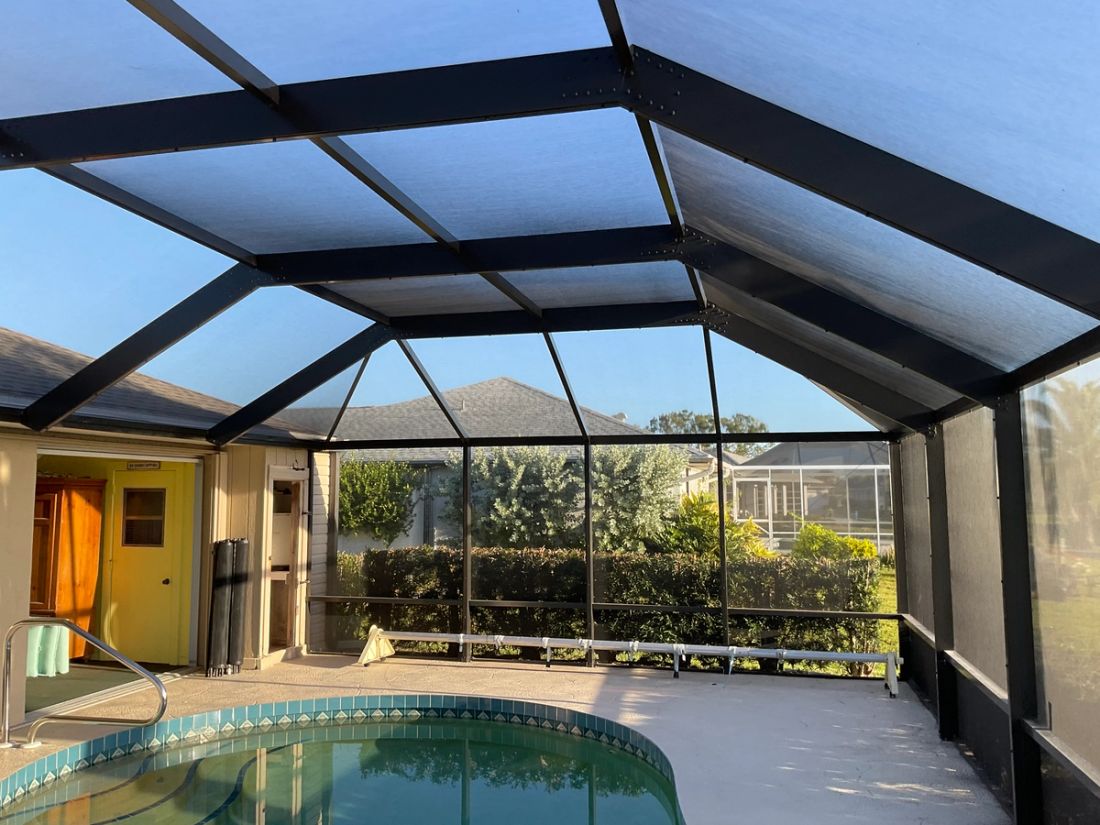
A practical year-round pool cage maintenance schedule built for South Florida weather, with monthly, quarterly, annual, and pre-hurricane tasks to protect mesh, hardware, and frame.
A pool cage maintenance schedule for South Florida is a year-round routine that protects your aluminum screen enclosure from intense heat, salt air, heavy rain, and hurricane season. A good pool cage maintenance schedule splits the work into monthly, quarterly, annual, and pre-storm tasks, so the mesh, hardware, fasteners, and frame all stay sound across Miami-Dade and Broward homes.
Why South Florida Pool Cages Need a Schedule
Few climates are harder on an aluminum pool enclosure than ours. Daily UV, salt-laden coastal air, summer downpours, and an active hurricane season attack the frame, mesh, and hundreds of fasteners at once.
Without a routine, small problems compound: a loose screw lets a panel flex, the flex stresses the mesh, and a torn screen invites debris and standing water. A written schedule helps homeowners in Coral Gables and Weston catch wear early, while a fix is quick.
Monthly Pool Cage Cleaning and Quick Checks
Monthly pool cage cleaning is the foundation of the plan. It takes under an hour for most backyards and stops the slow buildup that damages screen and frame over time, and it doubles as a chance to spot small problems early.
What to Clean Every Month
Rinse the screen panels with a garden hose and soft brush to clear pollen, salt film, and dirt that traps moisture against the mesh. Sweep leaves and debris off the lower tracks and out of the corners where water collects.
Wipe down the frame, especially the kick plates near the deck. That is where splashed pool water, fertilizer, and salt collect, and it is the first place rust tends to show on an enclosure.
The 10-Minute Monthly Walkthrough
Walk the full perimeter once a month and look for the warning signs that a small repair is due. A quick pass catches issues long before they spread across the cage into a larger job.
- Loose, missing, or rusted screws and fasteners
- Small tears, holes, or sagging in the screen mesh
- Splits or gaps where screen meets the spline channel
- Surface rust or bubbling on the frame and kick plates
- Debris or standing water sitting in the bottom tracks
- Doors that stick, drag, or no longer latch cleanly
- Cracked or peeling caulk where the cage meets the house
- Sun-brittle screen that tears at a light touch
Quarterly Pool Enclosure Maintenance Tasks
Every three months, go deeper than the monthly rinse. Quarterly pool enclosure maintenance addresses the connections and moving parts that cleaning alone does not reach, from anchor brackets to screen-door rollers.
Hardware, Fasteners, and Doors
Tighten every accessible screw and check the brackets that anchor the cage to the deck and home, since wind and thermal expansion work fasteners loose. Replace any rusted fastener with a corrosion-resistant one, then lubricate hinges and clear the tracks.
Annual Deep Inspection and Rescreen Decisions
Once a year, give the enclosure a full assessment to decide whether to spot-repair, rescreen a section, or call a contractor. Check the screen tension across every panel; mesh that is brittle, faded, or tearing in several spots is near the end of its life.
Inspect the super gutter, beams, and footers for movement, water staining, or corrosion at the joints. These structural elements rarely fail without warning, and an annual check reads the signals early.
When to Rescreen vs. Repair
A few isolated tears or a single failed panel call for a targeted repair. When mesh across the whole cage is sun-worn and splines are brittle, a full rescreen restores the enclosure in one pass. Our guide on pool cage repair in Miami and when to rescreen or replace covers the decision.
Pool Cage Rust Prevention in Salt Air
Pool cage rust prevention deserves its own focus near the coast. Even powder-coated aluminum has fasteners, brackets, and cut edges where corrosion takes hold if salt and moisture are left to sit.
Rinse the frame with fresh water more often near the coast in Broward or Palm Beach, where salt builds faster; a monthly rinse is the most effective habit for slowing corrosion. Address surface rust the moment you see it with light scuffing, a corrosion-resistant primer, and a matching touch-up coating.
Hurricane Season Prep for Your Pool Cage
South Florida's hurricane season runs June through November, so pre-season prep is non-negotiable. The goal is to enter the season with a tight, debris-free enclosure that gives wind nothing to grab.
Before the Season and Before a Storm
Complete a full hardware tightening, clear every track and gutter, and trim back nearby trees and palms so branches cannot whip into the mesh. Before a named storm, bring in loose furniture and planters, since flying objects cause most screen damage.
Aluminum pool enclosures are built to the Florida Building Code and, in Miami-Dade County, to High-Velocity Hurricane Zone wind load requirements, though the specific rating depends on the structure's size, attachment, and condition. Remove screens only if your contractor recommends it.
Year-Round Pool Cage Maintenance Schedule by Season
The table below maps the routine to South Florida's calendar so nothing slips through the cracks. Adjust the frequency upward near the water, since coastal homes in Boca Raton and Palmetto Bay benefit from more frequent fresh-water rinses.
SeasonConditionsPriority Tasks Spring (Mar-May)Pollen, rising heat, dry-to-wet shiftDeep clean mesh and frame; tighten all hardware; pre-hurricane inspection; trim nearby trees Summer (Jun-Aug)Heavy rain, peak UV, early storm seasonMonthly rinse; clear tracks and gutters after storms; check drainage; watch for sagging mesh Fall (Sep-Nov)Peak hurricane risk, frequent downpoursPre-storm checks; secure loose items; inspect anchors and fasteners; clear debris promptly Winter (Dec-Feb)Salt air, lower humidity, dry seasonAnnual deep inspection; rescreen decisions; rust touch-ups; lubricate doors and rollers
When to Call a Pool Enclosure Contractor
Routine cleaning and minor fixes are within reach for most homeowners, but bowing beams, a leaning frame, widespread rust, or a blown-out panel call for a licensed and insured contractor. To plan a repair or a new enclosure, see our pool screen enclosure installation in South Florida, or call (786) 383-6066 (English) or (786) 340-5157 (Español).
Ready for the next step? Schedule My Free 3D Design Consultation and our team will render your new or upgraded enclosure in 3D before any aluminum is cut. Call (786) 383-6066 for English or (786) 340-5157 for Spanish to book a time.
Frequently Asked Questions
How often should I clean my pool cage in South Florida?
Rinse the screen and frame at least once a month, and more often near the coast where salt builds faster. Monthly pool cage cleaning clears pollen, salt film, and debris before they trap moisture and accelerate rust on the frame.
How long does a pool cage screen last in Florida?
Screen mesh in South Florida typically lasts several years before sun, salt, and storms wear it out, though exposure and mesh type affect the timeline. When panels across the cage turn brittle or sag, it is time for a rescreen.
How do I prevent rust on my pool enclosure?
Rinse the frame with fresh water monthly, replace rusted fasteners with corrosion-resistant ones, and touch up surface rust the moment it appears. Pool cage rust prevention is about not letting salt and moisture sit on the frame.
What pool cage maintenance is needed before hurricane season?
Before the June-to-November season, tighten all hardware, clear tracks and gutters, trim nearby trees, and confirm the cage is anchored and the screen intact. The goal is a tight enclosure that gives storm wind nothing to grab.