
Screen Mesh Buyer's Guide for South Florida Patio Owners
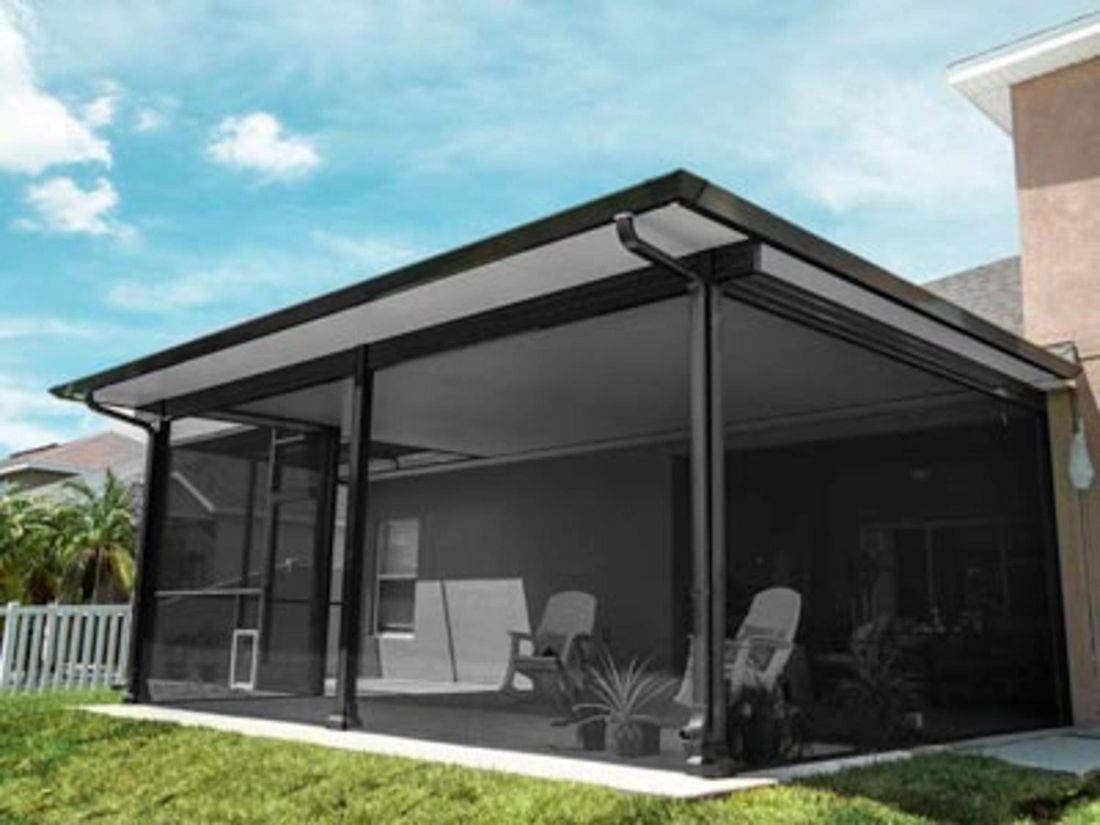
Not sure which screen mesh fits your South Florida patio? This buyer's guide compares standard, no-see-um, pet-resistant, and hurricane mesh so you choose with confidence.
The best screen mesh in Florida depends on what you are fighting most on your patio: insects, pets, sun glare, or salt air. Standard 18/14 fiberglass covers most screen rooms, no-see-um 20/20 mesh blocks tiny biting bugs, and pet-resistant mesh holds up to claws. This buyer's guide compares every patio screen type side by side for homes across Miami-Dade, Broward, and Palm Beach counties.
Why Your Patio Screen Mesh Choice Matters
The aluminum frame gets the attention, but the mesh is what you live behind every day. It decides how many bugs get in, how clearly you see the yard, and how new the room looks in five years. Each weave trades off airflow, view, durability, and protection.
There is no single best screen mesh in Florida for every patio. The right pick depends on your lot, your priorities, and the weather it faces, so most South Florida homeowners blend two mesh types rather than choosing one.
The Main Patio Screen Types Explained
South Florida screen rooms use one of five mesh styles. Each is named by its weave count, the number of strands per inch in each direction, and that count drives both bug protection and airflow.
Standard Fiberglass Mesh (18/14): The Default Choice
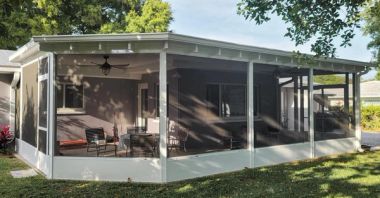
Standard fiberglass mesh in an 18/14 weave is the default on most patio screen enclosures. It balances airflow, visibility, and value, keeping out leaves, lizards, and common mosquitoes. The fiberglass flexes instead of creasing, so it shrugs off wind.
No-See-Um Screen (20/20) for Tiny Biting Insects
No-see-ums are the tiny biting midges that slip through standard screen near canals and the coast. A tighter 20/20 no-see-um screen shrinks the openings enough to stop them. You trade a little breeze, but in Palmetto Bay or Cutler Bay it ends itchy evenings.
Pet-Resistant Screen for Dogs and Cats
Pet-resistant screen uses thicker, vinyl-coated strands that resist claws and pushing, since dogs and cats lean on lower panels where standard mesh tears. Many homeowners run it only on lower panels, then standard screen above.
Privacy and Solar Screen for Glare and Shade
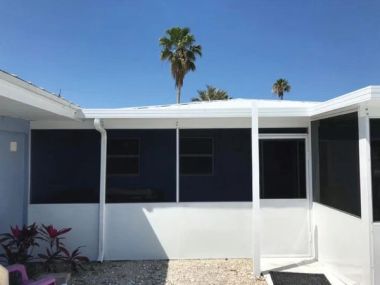
Privacy and solar screen is a denser, darker weave that blocks more sun and limits the view from neighbors, cutting glare and heat on west-facing patios. Because it cuts airflow the most, owners often apply it only to fence-facing panels.
Hurricane Screen Mesh for Wind and Debris
Hurricane screen mesh uses stronger strands built for more wind pressure and debris impact than standard screen. It is a common upgrade on large spans and exposed waterfront lots in Broward and Palm Beach counties, paired with the right frame.
Patio Screen Mesh Comparison Chart
Use this chart to weigh the trade-offs at a glance. The ratings are general guidance for South Florida patios, since the right mesh depends on your yard. No single screen type wins on every line, so most homeowners blend two types.
Screen Mesh TypeBest ForAirflowVisibilityDurabilityInsect ProtectionStandard Fiberglass (18/14)Most patio screen roomsHighHighModerateStandard insectsNo-See-Um Screen (20/20)Waterfront, tiny biting bugsModerateModerateModerateVery highPet-Resistant ScreenHomes with dogs or catsModerateModerateHighStandard insectsPrivacy / Solar ScreenGlare, heat, and privacyLowerLowHighStandard insectsHurricane Screen MeshLarge or exposed spansModerateModerateVery highStandard insects
How Do You Choose the Best Screen Mesh?
Start with your single biggest frustration, then check the other factors against the chart above. Walk through these questions, and the catalog of patio screen types quickly narrows to two or three real options:
- What bothers you most: bugs, view, sun, pets, or wind?
- Are you near water, canals, or mangroves where no-see-ums thrive?
- Do dogs or cats lean on the lower screen panels?
- Does a west-facing wall get harsh afternoon sun and glare?
- How exposed is the lot to coastal wind in Broward or Palm Beach County?
- Do you want one mesh throughout, or a mix that changes by panel?
- Is this a new screen room, or a rescreen of an aging patio enclosure?
- What is your timeline before the next storm season arrives?
What South Florida Weather Does to Screen Mesh
Our climate is hard on screen. Near canals and the coast, no-see-ums peak on warm, still evenings, so waterfront homes from Weston to Boca Raton often step up to a 20/20 no-see-um screen.
Year-round UV fades screen over time, so most patio enclosures use darker charcoal mesh that hides wear and cuts glare. Salt and humidity also speed up grime, so a few rinses a year stretch its life on exposed Palm Beach County lots.
Can You Mix Screen Mesh Types on One Patio?
Yes, and on most patios it is the smartest move. A common South Florida setup runs pet-resistant screen on lower door panels, no-see-um mesh on water-facing sides, and standard fiberglass elsewhere. Mixing also controls cost: you only pay for premium mesh where it earns its keep.
One Team for Design, Permits, and Installation
Mesh is one piece of a larger build. AB Aluminum & Screens designs, permits, and installs with our own crew, so one accountable team handles the whole project. Our licensed and insured team, with 15+ years of experience, engineers enclosures to the Florida Building Code.
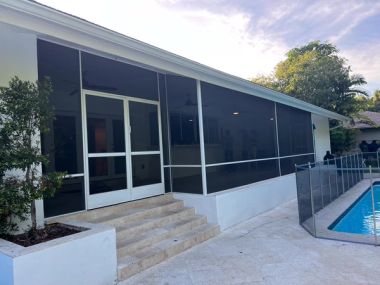
Explore your options on our patio screen rooms page, or see how mesh plays out around a pool on our pool screen enclosure page. Both walk through styles, patio screen types, and the free 3D design.
Frequently Asked Questions About Screen Mesh
What is the best screen mesh in Florida for a patio?
Standard 18/14 fiberglass mesh suits most South Florida patios. Step up to 20/20 no-see-um screen if tiny biting bugs are a problem near water, or add pet-resistant screen on lower panels for pets. A free 3D design matches the mesh to your yard.
What is no-see-um screen and do I really need it?
No-see-um screen is a tighter 20/20 weave that blocks the tiny biting midges standard mesh lets through. Homes near canals, lakes, or the coast in Miami-Dade and Palm Beach counties often benefit when patio evenings feel itchy.
Is pet-resistant screen worth it for a screen room?
If pets lean on or scratch the lower screen, it usually is. Pet-resistant screen uses thicker, coated strands that resist claws. Many homeowners use it only on lower panels near doors, then standard mesh above to balance cost.
How is standard fiberglass mesh different from no-see-um mesh?
Standard fiberglass mesh uses an 18/14 weave that maximizes airflow and view for everyday bugs. No-see-um mesh uses a denser 20/20 weave with smaller openings that stop tiny midges, trading some airflow for much stronger insect protection.
Is hurricane screen mesh actually hurricane-proof?
No mesh is hurricane-proof on its own. Hurricane screen mesh handles more wind and debris than standard screen, but protection comes from the whole system. In Miami-Dade, enclosures are engineered to the Florida Building Code and HVHZ wind loads where they apply; the rating depends on size and attachment.
Schedule My Free 3D Design Consultation
Ready to choose the best screen mesh for your patio? We render your screen room in 3D so you see the mesh, frame, and layout before we cut a single piece of aluminum. Call (786) 383-6066 (English) or (786) 340-5157 (Espanol) to get started.
Schedule your free 3D design consultation at (786) 383-6066 (English) or (786) 340-5157 (Espanol). We serve homeowners across Miami-Dade, Broward, and Palm Beach counties, including Pinecrest, Weston, and Coral Gables.