
Screened Pergolas: Shade and Bug Protection in South Florida
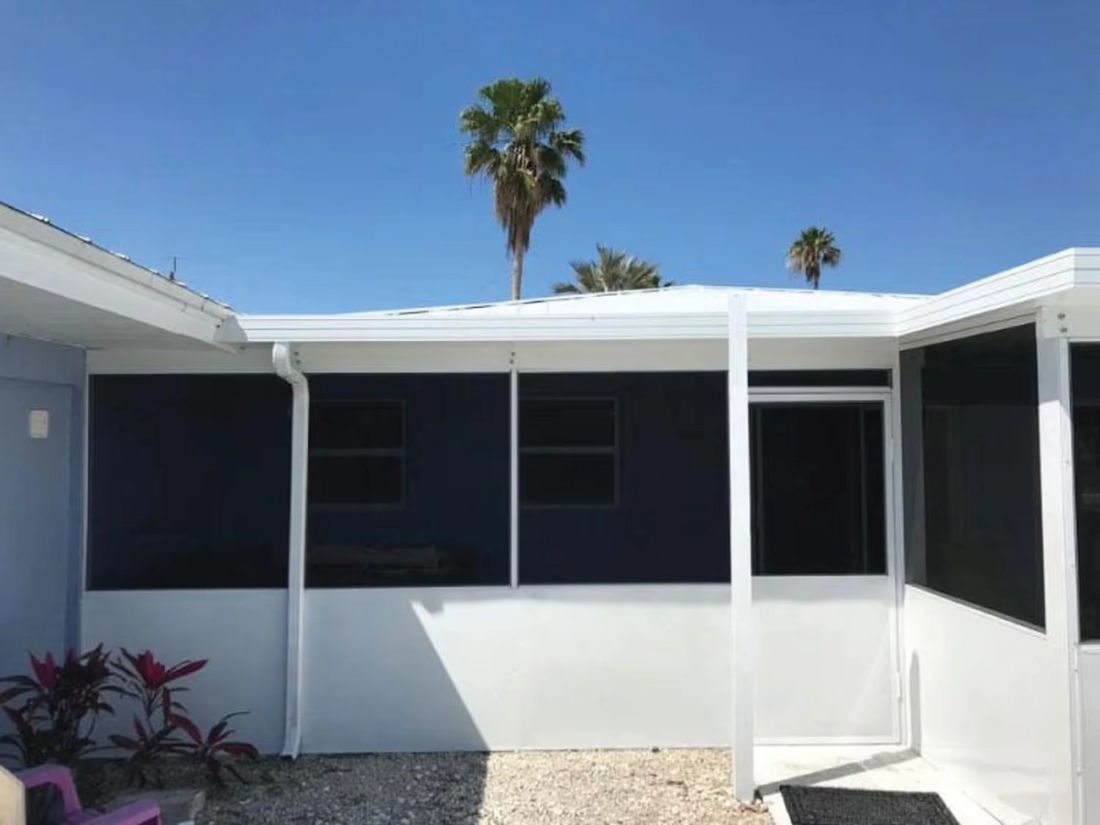
A screened pergola combines an aluminum pergola's shade with screen-enclosure bug protection, keeping South Florida patios usable through mosquito season and summer rain.
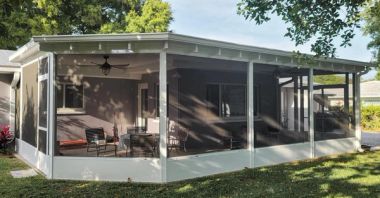
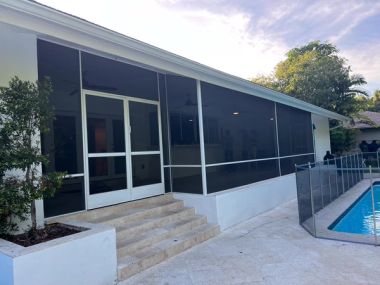
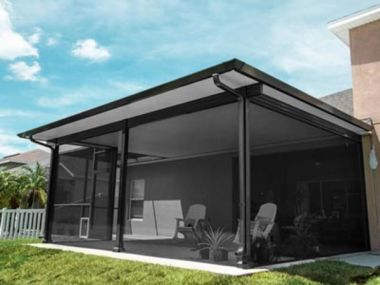
A screened pergola is an aluminum pergola fitted with an integrated screen enclosure, so you get overhead shade and full insect protection in one structure. For South Florida homeowners, a pergola with screens turns an open patio into a bug-free outdoor room that stays usable during mosquito season, summer downpours and peak afternoon heat across Miami-Dade, Broward and Palm Beach counties.
What Is a Screened Pergola, Exactly?
A standard pergola gives you a roof structure and shade but leaves the sides open. A screened pergola adds a framed screen system around the perimeter, and often overhead, enclosing the space without losing the airy, architectural look that makes a pergola appealing.
Think of it as the meeting point between two of our most-requested products: the aluminum pergola and the patio screen room. You keep the clean lines and shade, then wrap it in mesh that blocks mosquitoes, no-see-ums and debris.
Because the frame is powder-coated aluminum, it resists the rust, rot and corrosion that come with coastal humidity, a real advantage where wood pergolas warp within a season or two.
How Does a Screen Get Integrated Into an Aluminum Pergola?
The screen does not simply hang from the pergola. We engineer a screen frame that ties into the posts and beams, creating screened wall panels between the structural members, so it reads as one cohesive design, not a cage bolted on afterward.
If you already own an aluminum pergola, we can often add screen panels to it. For a new project, we design the pergola and enclosure together, sizing the posts and routing the channels cleanly. The free 3D design first confirms your footings can carry the added frame and wind load.
Which Screen Mesh Is Best for a South Florida Pergola?
Mesh choice is where a screened pergola earns its keep. South Florida is no-see-um country, and standard screen will not stop those tiny biters. We walk every client through the options so the mesh matches how they use the patio.
- Standard 18x14 mesh — blocks mosquitoes and larger insects; the budget-friendly baseline for screen enclosures.
- No-see-um mesh (20x20) — a tighter weave that stops the tiny biting midges common near canals, lakes and the coast.
- Pet-resistant mesh — a heavier, tear-resistant weave for homes with dogs or cats that lean on the screen.
- Privacy / solar mesh — denser screen that cuts glare and neighbor sightlines while reducing heat gain.
- Hurricane-rated screen — a reinforced system engineered to higher wind loads where the permit calls for it.
Mesh TypeStops No-See-Ums?Best For Standard 18x14NoGeneral insect and debris protection No-See-Um 20x20YesWaterfront and canal-front homes Pet-ResistantPartialHouseholds with dogs or cats Privacy / SolarPartialGlare, heat and neighbor sightlines
Most homeowners in Pinecrest, Coral Gables and Weston choose no-see-um mesh, because the tighter weave is the difference between using the patio at dusk and giving it back to the bugs.
Why a Screened Pergola Makes Sense in the Florida Climate
A screened pergola solves the three things that chase people indoors here: biting insects, sudden rain and sun. Canals and year-round warmth make South Florida a mosquito and no-see-um stronghold, and a screen enclosure keeps them out so patio dinners are bite-free.
A louvered or solid-roof pergola also sheds rain, and powder-coated aluminum will not fade the way painted wood does. The payoff is the feel of an outdoor living room that stays open to the yard and breeze, without a full addition.
What About Maintenance?
Aluminum keeps upkeep low, but a screened pergola still needs simple, routine care to protect the mesh. Most of it takes a few minutes a month.
- Rinse the screen and aluminum frame with a hose every few weeks to clear pollen, salt and dust.
- Wash the mesh with mild soap twice a year; skip pressure washers, which can stretch or tear screen.
- Trim back vines and branches so they do not rub against or puncture the panels.
- Inspect screen splines and door sweeps after storm season and replace any that loosened.
- Clear leaves off a louvered or solid roof so water drains properly.
If a panel gets damaged, screen panels can be re-screened individually, so one torn section never means redoing the whole enclosure.
Do You Need a Permit for a Screened Pergola?
In most of South Florida, yes. A screened pergola is a permanent structure on footings, so it generally requires a building permit, and the requirements get stricter in Miami-Dade County than in many areas.
Because Miami-Dade sits in the High-Velocity Hurricane Zone, a screened pergola there is engineered to the Florida Building Code and to HVHZ wind-load requirements, with specific ratings depending on the structure type, size and attachment.
You do not have to handle any of this. We pull the permits, schedule the inspections and install with our own crew, so one accountable team carries the project from design through final sign-off across Broward and Palm Beach.
How Much Does a Screened Pergola Cost?
There is no flat price, because a screened pergola is built to your space. Several factors drive the number, and the only way to get a real figure is a design around your patio.
Cost drivers include the footprint and height, whether the roof is slatted, louvered or solid, the mesh type, any added doors, and the wind-load engineering your permit requires. We render the project in 3D, then quote real numbers from that design.
To make a larger project easier to plan, we offer financing through Synchrony Bank with payment options that carry no upfront costs.
Schedule My Free 3D Design Consultation
Want to see your screened pergola before we cut a single piece of aluminum? We render the design in 3D so you can walk through it, adjust the mesh and finishes, and get real numbers before you commit.
As a licensed and insured aluminum contractor with 15+ years of experience, we handle the design, permits and installation in house. Explore our patio screen enclosure options in South Florida or see how a custom aluminum pergola installation forms the base of the structure.
Call (786) 383-6066 for English or (786) 340-5157 for Spanish to Schedule My Free 3D Design Consultation for your Pinecrest, Coral Gables or Boca Raton home.
Frequently Asked Questions
Can you add screens to a pergola I already have?
Often, yes. If your pergola is aluminum, we can usually add a screen enclosure. The free 3D design first confirms the posts, footings and beams can carry the screen frame and wind load.
Will a screened pergola keep out no-see-ums?
Only with the right mesh. Standard screen stops mosquitoes, not no-see-ums. For the tiny biting midges common near South Florida canals and the coast, we recommend a tighter no-see-um mesh.
Is a screened pergola the same as a screen room?
Not quite. A screen room is usually a fully enclosed patio, while a screened pergola keeps the open, architectural look and adds screen panels between the structural members, so it feels more connected to the yard.
Does a screened pergola need a permit in Miami-Dade?
Generally yes. As a permanent structure on footings, it typically requires a building permit, and Miami-Dade enforces HVHZ wind-load requirements. We pull the permits and schedule inspections as part of the project.
What does a screened pergola cost in South Florida?
It depends on size, roof type, mesh, doors and the required wind-load engineering, so there is no flat price. We quote real numbers from your 3D design and offer financing through Synchrony Bank with no upfront costs.
How do I keep the screen clean and lasting?
Rinse the mesh and frame with a hose every few weeks, wash with mild soap twice a year, and avoid pressure washers, which can tear screen. Trim nearby plants so branches do not rub the panels.